
Introduction
Across many cities, urban landscapes are expanding rapidly. Roads, buildings, and paved surfaces are replacing natural ground cover, leaving soils exposed, compacted, and often depleted of organic matter. In these environments, maintaining healthy soil becomes increasingly difficult.
One simple but powerful solution is organic mulch.
What is Organic Mulch?
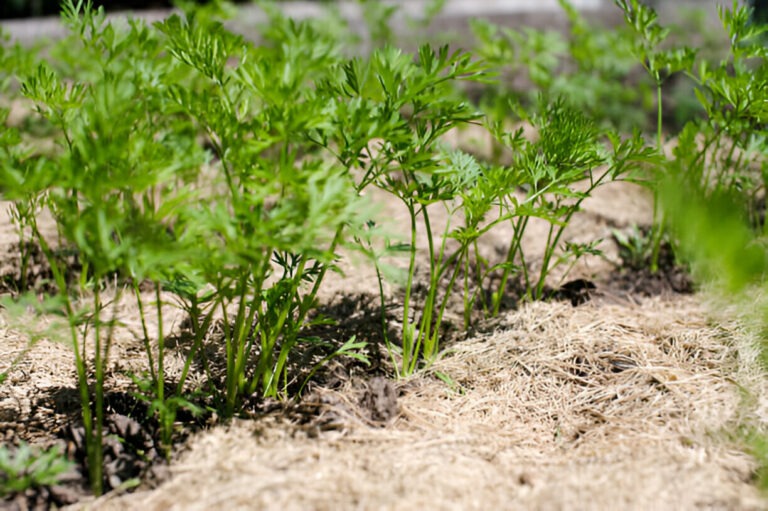
Organic mulch is any natural material placed on top of the soil to protect and improve it. Unlike synthetic coverings, organic mulches gradually break down and become part of the soil itself.
Common examples include:
• Coconut husks
• Wood chips
• Dry leaves
• Straw
• Sugarcane residues
• Compost
As these materials decompose, they add organic matter to the soil, helping rebuild the living systems that support plant growth.
Why Urban Soils Need Mulch
topsoil, or compacted by heavy machinery. In many cases, the soil left behind is low in nutrients and organic matter.
Mulching helps address these problems in several ways.
1. Moisture Conservation
Mulch acts as a protective layer over the soil, reducing evaporation caused by heat and wind. This helps soil retain moisture for longer periods and reduces the need for frequent watering.
2. Soil Temperature Regulation
In hot climates, bare soil can heat up quickly, stressing plant roots and reducing biological activity in the soil. Mulch helps moderate soil temperatures by shielding the soil from direct sunlight.
3. Improved Soil Structure
As organic mulch decomposes, it contributes organic matter that improves soil structure. This helps soils become more porous, allowing better movement of water, air, and nutrients.
4. Suppression of Weeds
A layer of mulch blocks sunlight from reaching weed seeds in the soil, making it harder for them to germinate and grow.
5. Supporting Soil Life
Healthy soils depend on microorganisms, fungi, and small organisms that break down organic material and recycle nutrients. Organic mulch provides a food source for these soil communities, helping restore soil fertility over time.
Mulching as a Nature-Based Solution
Mulching is not only beneficial for gardens and landscapes; it is also part of a broader nature-based approach to managing urban environments.
Many cities generate large volumes of organic waste every day — from market vendors, food stalls, tree trimmings, and agricultural residues. When this material is burned or dumped in landfills, it contributes to air pollution and greenhouse gas emissions.
However, when organic waste is recovered and processed into mulch, it becomes a valuable resource that supports soil health, urban greenery, and climate resilience.
Closing the Loop: From Waste to Soil
At Ecomulch, we believe that the materials cities often treat as waste can instead become part of a circular system.
By transforming locally generated organic waste into mulch and soil-improving materials, we help return nutrients back to the soil while supporting greener, more resilient urban landscapes.
Healthy soils are the foundation of healthy cities — and sometimes the simplest solutions, like mulching, can make the greatest difference.